

Our expertise
Roll Forming Lines
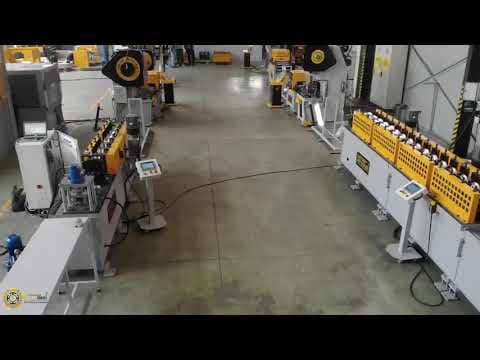
From coil to finished profile: complete production lines for 7 profile families, engineered to your project — everything from decoiler to stacker carries the Servosteel signature.
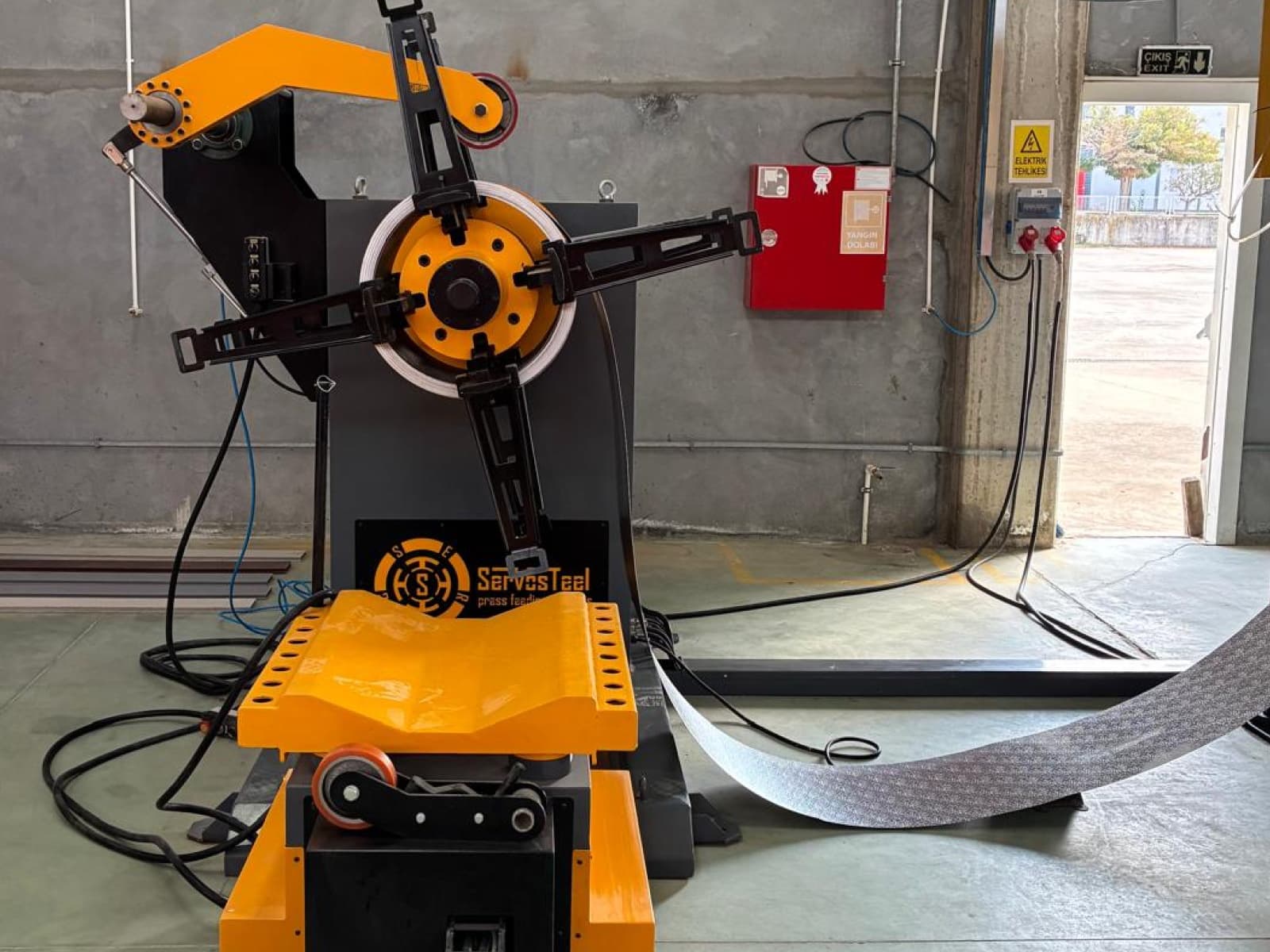
- 01Decoiler
- 02Straightener
- 03Servo Feeder
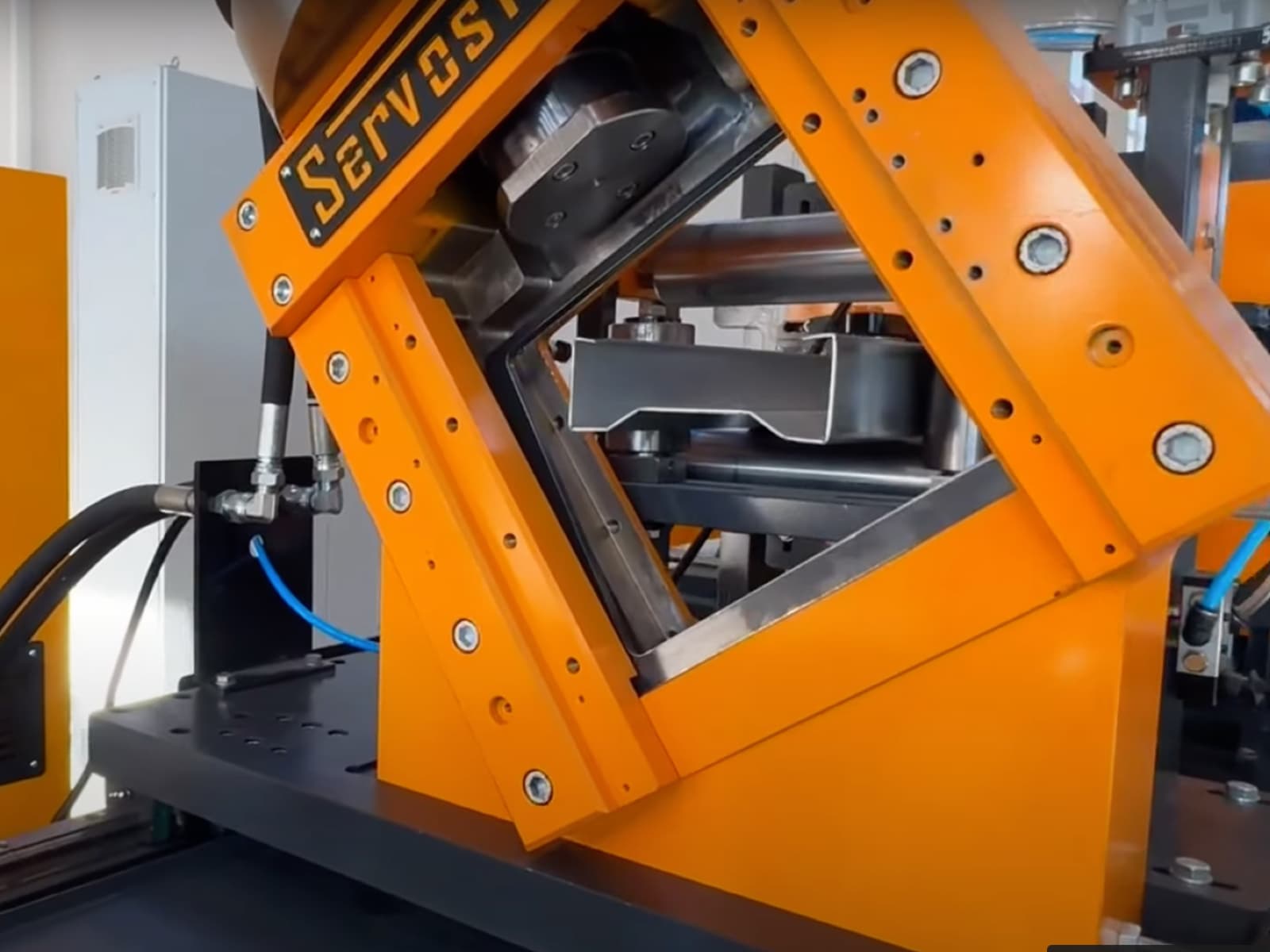
- 04Punching Stations
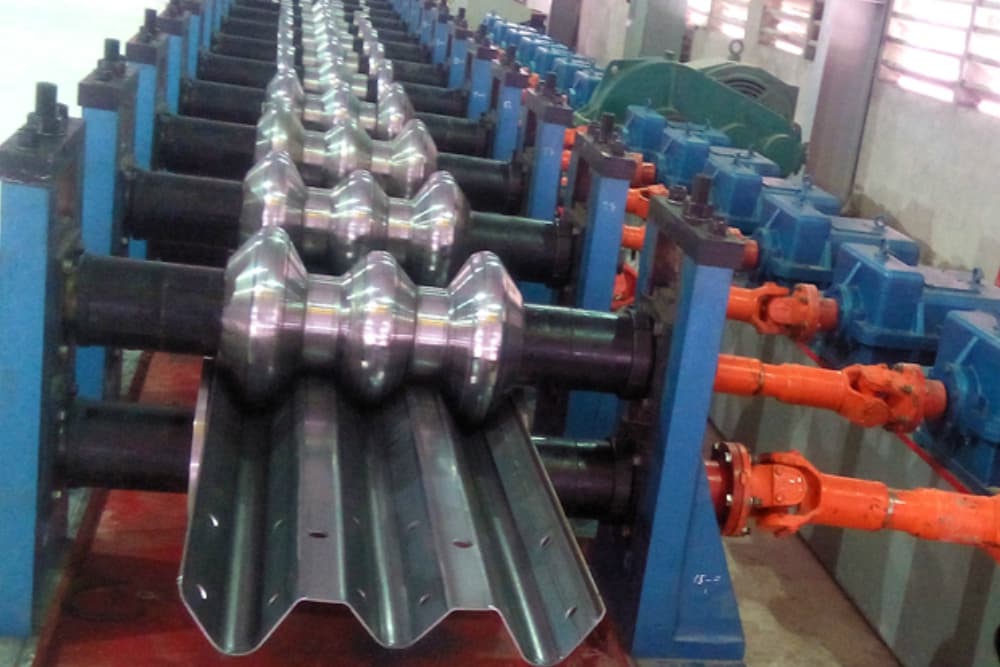
- 05Roll Forming Machine
- 06Cutting
- 07Stacking
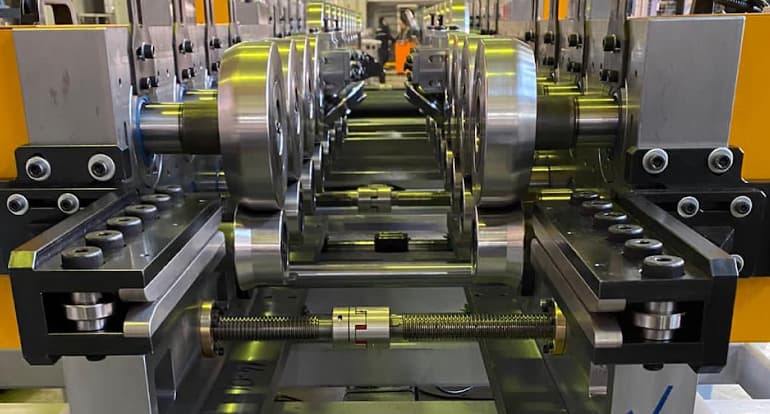
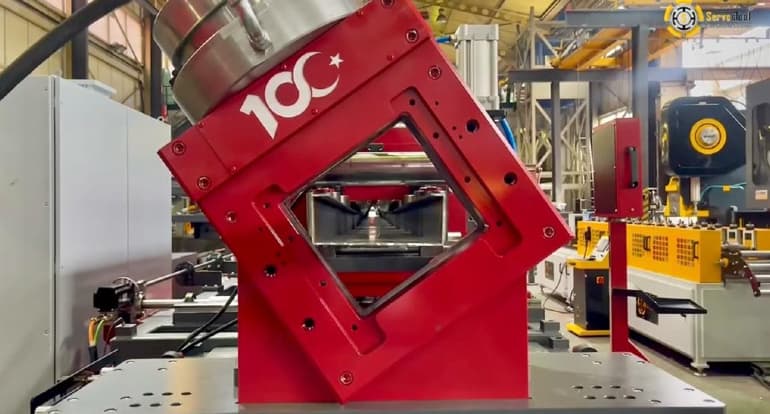
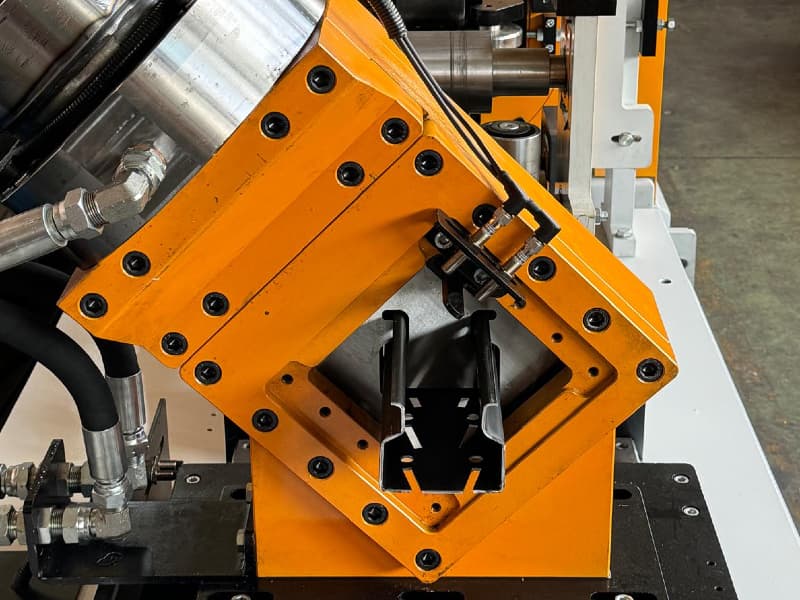
Storage Rack Production Line
A punching-station line for rack uprights and beam profiles.
View Details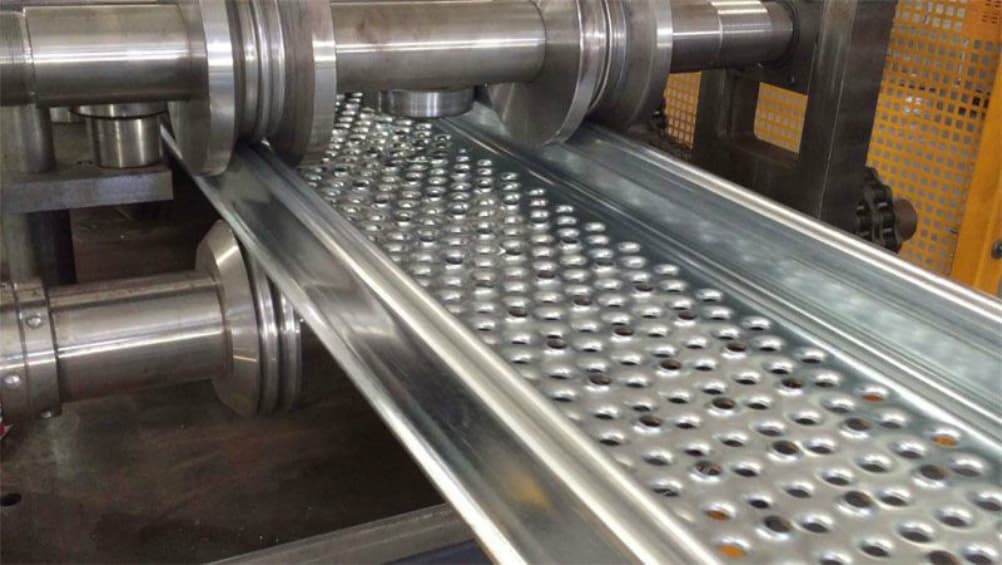
Custom Profile Line
Producing a section that isn't listed here? From roll tooling design to automation, the line is engineered to your profile drawing.
Send Your DrawingQuick quote
Which line are you looking for?
Leave your name and contact details and tell us briefly which line you need; your request goes straight to our engineering team.
- 10+Years of experience
- 48+Export countries
From the field
The rest of the channel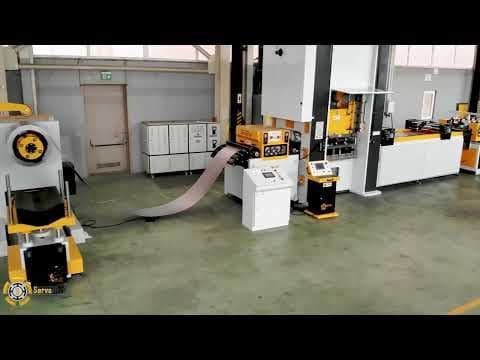
Frequently asked
Common questions about roll forming lines
What does a roll forming line do?
It passes coil sheet through a series of roll stations, forming it into the required profile step by step. Punching and cutting can also be done in line, giving uninterrupted production from coil to finished profile.
What determines the price of a roll forming line?
Four things drive it most: the complexity of the profile section (number of stations), sheet thickness and width, line speed, and the level of automation (punching station, flying shear, automatic stacking). That is why we do not publish catalogue prices — send your profile drawing and we will size the line and quote it.
Can you produce a profile that is not in your catalogue?
Yes. The roll set is designed from the profile drawing you send and manufactured in our own facility. The seven listed profile families are a starting point, not a limit.
Can I run more than one profile on the same line?
Yes, by changing the roll set. What matters here is changeover time: if you will run many section types, fast changeover directly affects utilisation, which in turn drives the line's payback.
What is the roll forming process, step by step?
Coil is loaded onto a decoiler, straightened to take out coil-set memory, then fed into the line by servo feeder. Where the profile needs holes or slots, punching stations work in line. The strip then passes through the roll forming machine, where each station bends it a little further until the section is complete, and cutting and stacking finish the cycle. Because the shape is reached gradually across many stations rather than in one press stroke, no heat is involved — which is why it is called cold roll forming.
What is cold roll forming?
Forming at room temperature. The strip is bent progressively by successive roll stations instead of being heated and pressed, so the surface finish and any coating survive the process — which matters for pre-painted and galvanised coil, the usual material for cable tray, solar and cladding profiles. Every line on this page is a cold roll forming line.
What are the disadvantages of roll forming?
Two, and they are worth knowing before committing. A roll set is made for one section, so each new profile means new tooling — roll forming rewards volume and repetition rather than one-off work. And the cross-section stays constant along the length; a part that changes shape along its run needs a different process. Where those two conditions are met, little else matches it for output per hour.
Is a roll former the same as a roll forming line?
A roll former — also written rollformer — is the forming machine itself: the bank of roll stations that bends the strip into its final section. A roll forming line is that machine plus everything around it: decoiler, straightener, servo feeder, punching stations, cut-off and run-out table. You can buy the roll former on its own if the rest of the line already exists, but the tolerance you get depends heavily on what feeds it, which is why we quote complete roll forming machinery unless you tell us otherwise.
Related reading
AcademyA roll forming line built around your profile
Send us your profile drawing or capacity requirements — our engineering team will get back to you within 48 hours.